Short answer: a shockwave machine sold for home use is a simplified, lower-output device that can be used for general muscle relaxation and everyday recovery support, but it is not a clinic-grade platform and it is not a substitute for diagnosis or professional care. A home unit typically has fewer energy steps, fewer applicators, a smaller preset library and a shorter manual, and it is designed around one person using it on themselves. Three things decide what it can and cannot do: the energy it can actually deliver, the way it is applied, and whether the person holding it knows when to stop. Any sharp, sudden or unexplained problem, and any condition on the list further down this page, belongs with a healthcare professional rather than with a device in your living room.
This guide answers the questions buyers ask most often about home-use shockwave machines: how a home device differs from a clinic-grade platform, what it can realistically help with and what it cannot, which situations mean you should see a professional instead, how a session actually runs and which parameters decide whether a device suits you, when a portable commercial unit is the better buy, why the housing matters, and what the manual and the after-sales terms should cover. Everything here is general product information, not medical advice. Results vary by individual, and any decision about a symptom or a course of care belongs with a qualified professional.
The differences are mostly about energy, control and responsibility. A portable unit intended for home or personal use is built to be compact and simple: a single handpiece, a handful of energy steps, a set of preloaded programmes and a carrying case. A clinic-grade platform is built to be repeatable and documented: a wider energy range, more applicators, a larger preset library, serviceable wearing parts and a manual written for trained operators. Neither one is better in the abstract; they are aimed at different jobs.
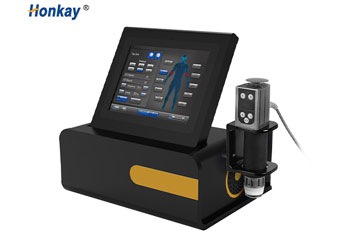
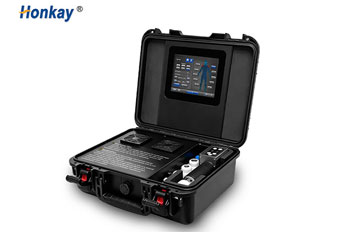
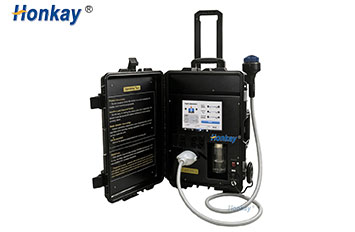
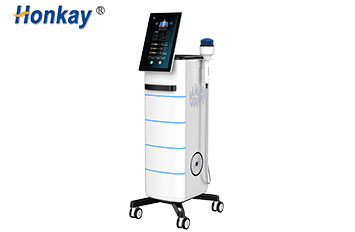
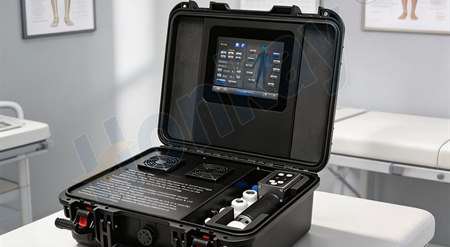
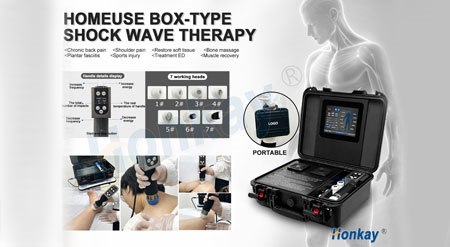
Energy is the first practical difference. On a portable suitcase-format platform of the kind shown below, the published shock frequency is 1 Hz to 22 Hz and the energy intensity is 30 mJ to 185 mJ, delivered through seven interchangeable heads and set from an 8-inch touchscreen with body-part selection. On a focused platform, the published figures are 700 W rated power, a 0-10 Hz frequency slider, a 0-100% intensity slider and a 10.4-inch liquid-crystal touchscreen that carries twelve body-part presets. Those are two different machines with two different jobs, which is exactly why the phrase for home use describes a category, not a promise.
The second difference is control. A clinic platform lets a trained operator dial a dose and repeat it exactly next week; a home unit usually offers a smaller number of settings so that it stays simple. The third difference is responsibility: a clinic platform assumes an assessment comes first, while a home device assumes nothing about the user's training. That is why the safety information in the manual matters more, not less, on a home unit.
| Aspect | Portable home-use unit | Clinic-grade platform |
|---|---|---|
| Energy range | Simplified; fewer selectable steps, sometimes shown only as a percentage | Wider, calibrated range measured in millijoules, so a dose can be set and repeated |
| Applicators | Usually a single handpiece with a small number of heads supplied | Multiple interchangeable heads with published diameters and assigned sites |
| Preset library | A small number of preloaded programmes | A larger body-part preset library with editable, repeatable parameters |
| Who operates it | One person, typically self-applied | A trained operator, applied to a client after an assessment |
| Typical setting | Home, personal studio or mobile use | Clinic, rehabilitation centre or sports facility |
| Documentation and support | Shorter manual aimed at a non-specialist; support for one user | Full operating manual, service schedule, spare-part list and operator handover |
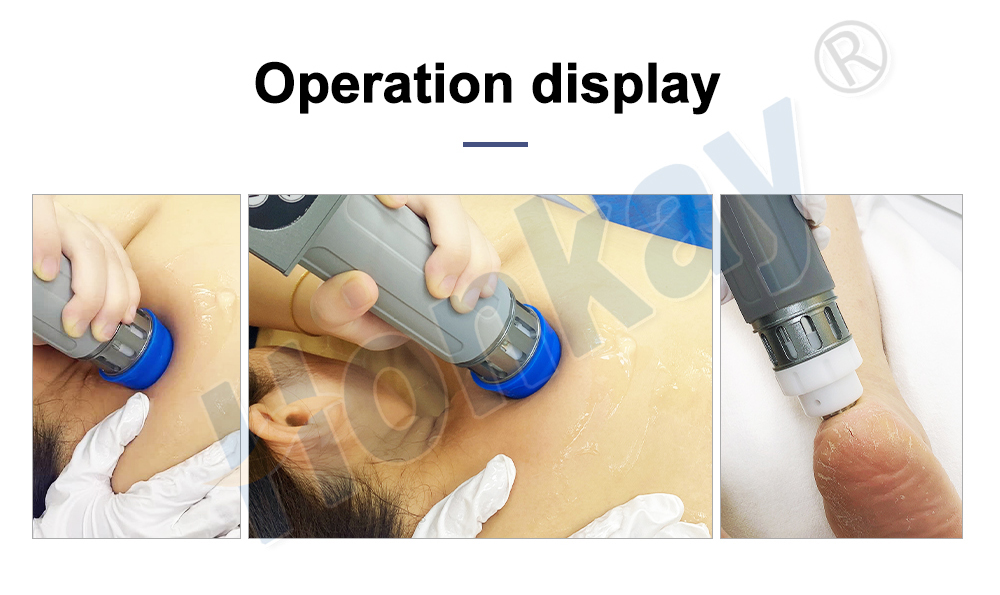
Be precise about this, because the marketing around home devices is loose. A home shockwave device is most accurately described as a self-care tool for the muscles, not as a treatment device. In everyday use it may support general muscle relaxation after activity, loosening the feeling of tightness across large, easy-to-reach muscle groups, and a general sense of recovery. Think of it the way you think of a foam roller or a massage gun: something you reach for to feel better, not something you use to work out what is wrong.
What it cannot do is a longer list, and worth writing down. A home unit cannot tell you what is wrong with you; it cannot replace an assessment; it cannot stand in for a clinic-grade course of care; and it cannot be pointed at anything that is sharp, sudden, swollen, numb, hot, open or unexplained. It also cannot be used safely on the smaller list of conditions in the next section without a professional's sign-off first. If a supplier tells you a home device does all of that, see the claim as a reason to keep looking.
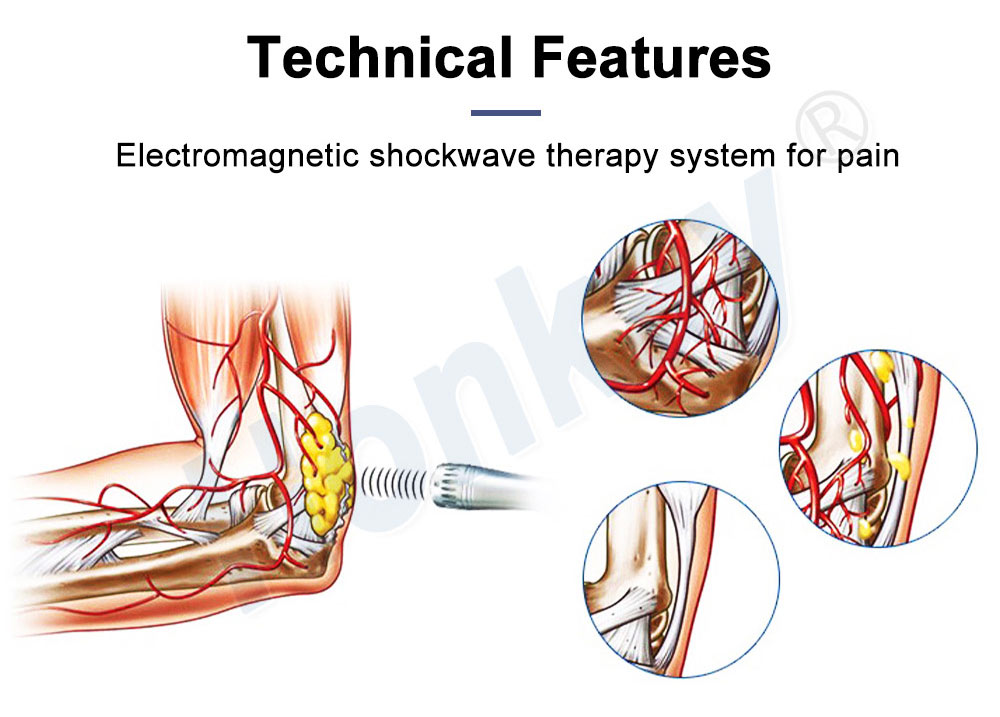
Before any home device is used, the situations below should be checked by a healthcare professional rather than self-managed. This list mirrors the cautions that a responsible operating manual carries; it is not a diagnosis and it does not replace one. When in doubt, ask a professional before you switch the device on.
See a professional first if the problem started suddenly or followed an accident; if there is swelling, bruising, deformity or a suspected fracture; if there is numbness, tingling, weakness or loss of sensation; if the skin over the area is broken, infected or inflamed; if the discomfort is unexplained, keeps you awake, or is getting worse rather than settling; if you are pregnant; if you have an implanted electronic device such as a pacemaker; if you have a bleeding disorder or take blood-thinning medication; if there is a tumour in the area; if you have uncontrolled high blood pressure; or if the person is a child whose bones are still growing. The same caution applies to any area where a metal implant sits, and to any acute injury in its early phase.
None of this is meant to put you off everyday self-care. It is meant to keep the line clear between two different things: loosening tired muscles at home, and a symptom that needs a professional's eyes. A home device belongs on one side of that line, and only on one side.
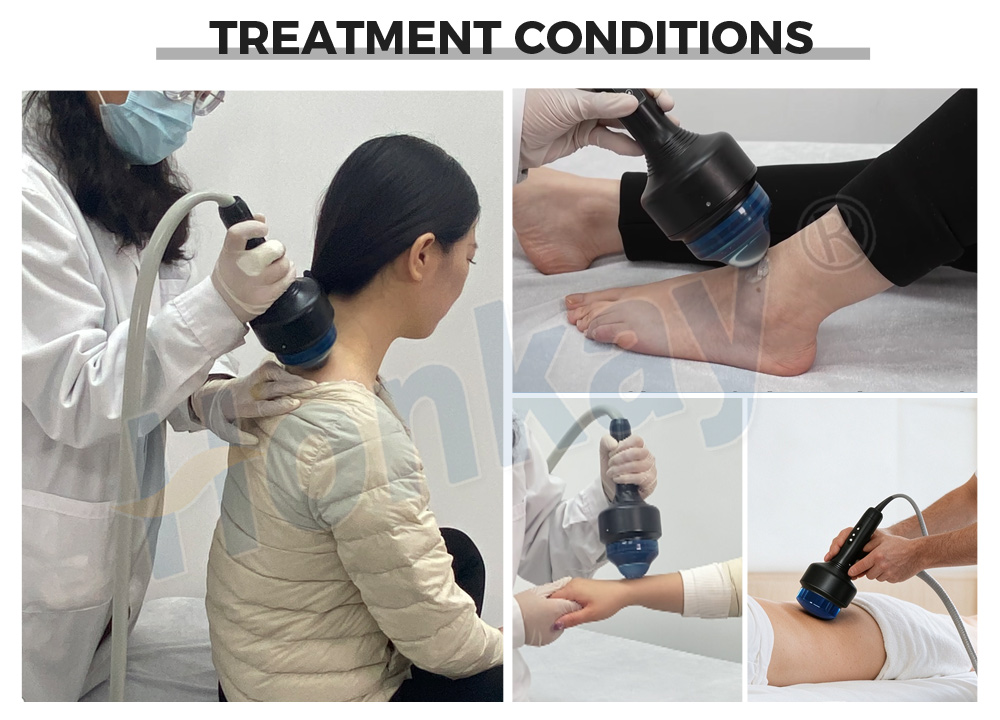
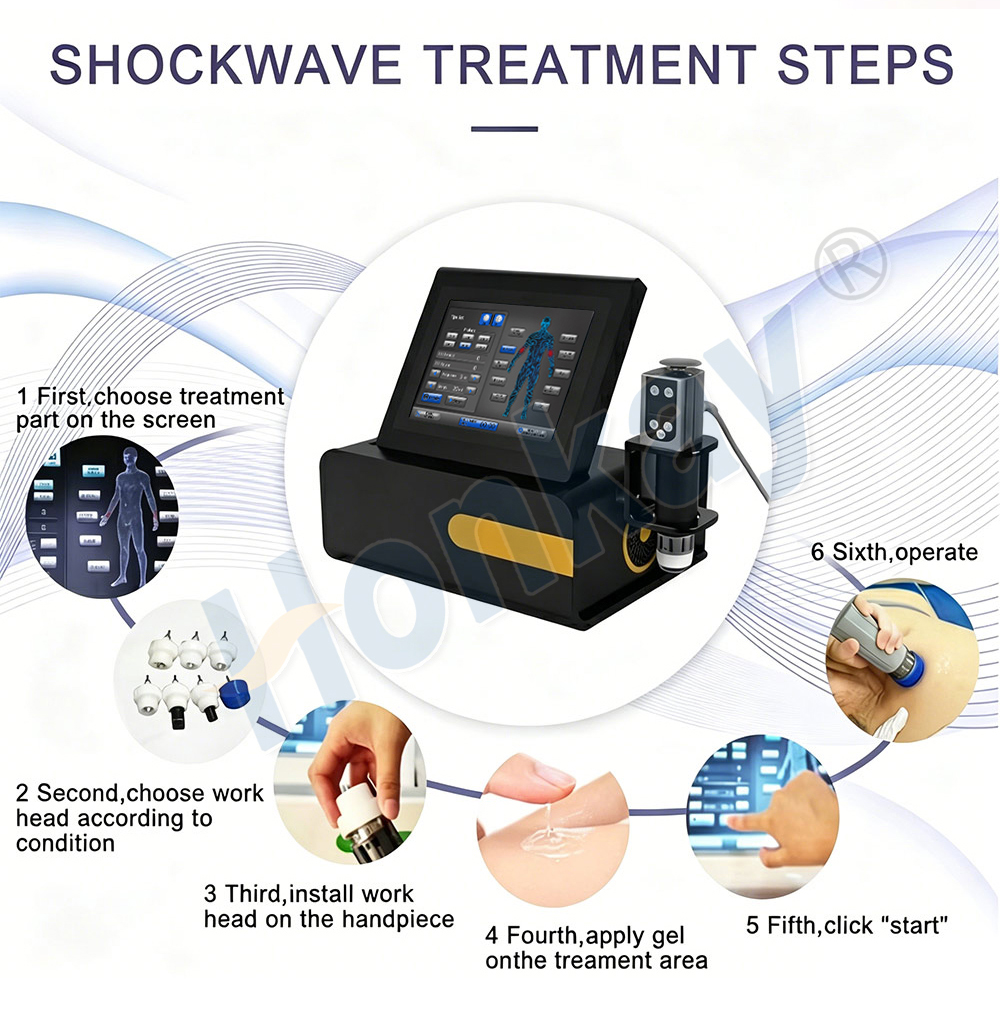
A session on a portable unit follows a simple routine. A treatment head is fitted to the handpiece; a coupling medium is applied so the wave travels into the tissue instead of reflecting off the skin; the energy and frequency are set; the handpiece is held against the area and moved steadily rather than parked on one spot; and the session finishes when the set number of impacts is reached or when the area has had enough. On the portable platform described earlier, the published running limits are a 5-minute stop every 20,000 impacts, a 30-minute stop if the body reaches 80 degrees Celsius, and no more than three sessions per week on the same area. Those limits are not marketing; they are the daily capacity of the machine.
When you compare two home devices, the parameters below decide more than the price does. Where a published figure is not stated, ask for it in writing before you pay, and see a vague answer as a gap you will be filling later.
| Parameter to request in writing | Why it matters | Unit to quote it in | What to check on a home unit | What to check on a clinic platform |
|---|---|---|---|---|
| Energy intensity | It sets what the device can deliver, and whether two machines can be compared at all | mJ (millijoules); a percentage on its own cannot be compared | Ask for the lowest and highest mJ value, not only a 0-100% slider | A calibrated mJ range an operator can set and repeat |
| Shock frequency | It shapes how fast the energy is delivered and how the sensation is felt | Hz | Confirm the slider range and the default preset value | Confirm the range and whether a preset library is editable |
| Applicator count and sizes | It decides which areas the device can reach and which part you will re-order first | Number of heads and millimetres | Itemise every head supplied; a single head limits coverage | Ask for a head-by-head size and site chart |
| Preset library | It shortens the learning curve for a non-specialist user | Number of body-part presets | Check that presets exist and are described, not just numbered | Check whether presets can be edited and stored |
| Wearing parts and life | It turns a purchase price into a running cost | Impacts per part, and the part price | Ask for the stated life and the replacement price of each part | Ask for the service schedule and spare-part list |
| Safety and run limits | It caps how long and how often the device can be used | Minutes, impacts, degrees Celsius, sessions per week | Ask for the continuous-run limit and the shutdown temperature | Ask for the fixed-point impact cap and the clearance requirement |
| Documentation | It is what a non-specialist reads before the first session | Pages, language, and whether it lists cautions | Ask for the full manual, not a quick-start card | Ask for the operating manual plus an operator-training handover |
| After-sales term | It decides who pays when something fails | Months, and the start date | Ask for the warranty length and its start date in writing | Ask the same, plus the spare-part response time |
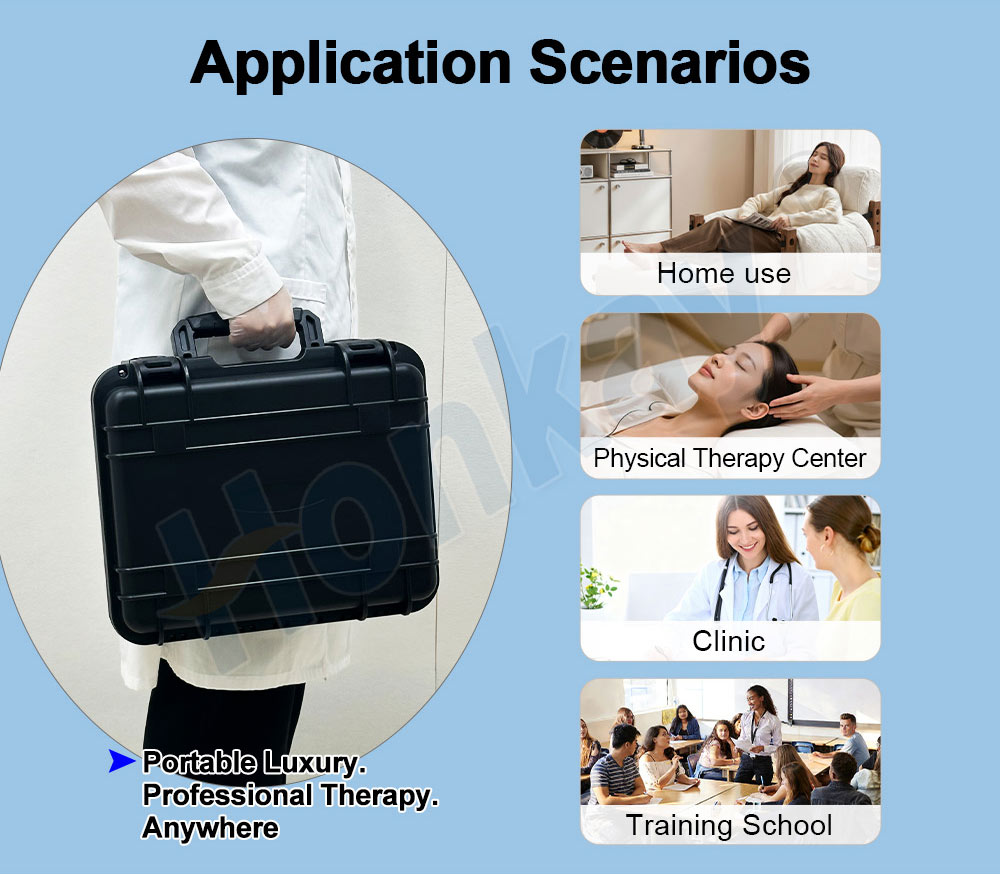
The choice is about how often the device will be used and by whom. If it is for one person, in one home, for general muscle relaxation and everyday recovery support, a home unit is the right size of tool, and a lower energy ceiling is a feature rather than a limitation. If it will be used on paying clients, carried between locations, or used day after day, a portable commercial unit is the correct category, because it is built to be used repeatedly and to be serviced.
Two habits make this decision easier. First, be honest about the number of sessions a week: a device that runs once a week is a home device, and one that runs every working day is commercial equipment. Second, read the buying and cost frameworks before you choose, because the running cost of a machine is set by its wearing parts, not by its headline price. If you are pricing a platform for a clinic rather than a home, start with the clinic buying guide and the cost and ROI breakdown, which set out the quote build-up and the consumable side in the same terms.
Housing is a footprint decision, not a performance one. The focused platform is offered in a standing housing and a desktop housing, and the two carry the same specification: the same energy controls, the same frequency and intensity sliders, the same screen and the same presets. The only real difference is where the machine lives. A standing housing rolls on castors and suits a treatment room; a desktop housing sits on a bench and suits a smaller space. Choosing between them changes your layout, not what the device can do.
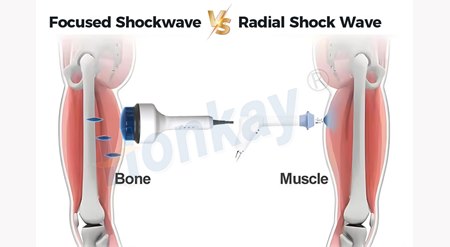
For a home setting, the housing question usually answers itself: a compact or portable form is easier to store and move, while a standing platform is a clinic object that expects a fixed position. If you are weighing focused against radial designs rather than two housings of the same platform, the focused versus radial comparison covers that separate decision.
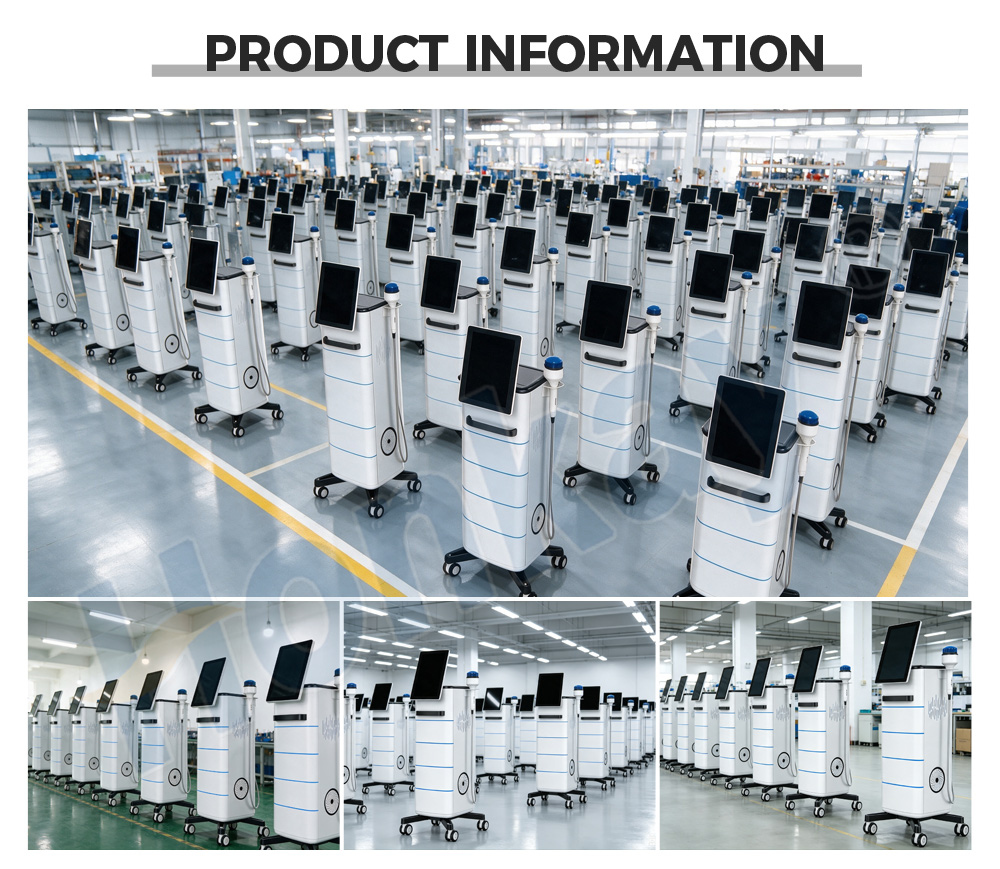
The manual and the written commercial terms are the two documents that protect a home buyer, and both should be read before payment rather than after delivery. Ask for the full manual in a language you can read, and check that the after-sales terms state the warranty length, the start date and what is covered. The table below lists what each document should contain and why it matters to someone using the device at home.
| What the document must state | Why it matters | Why a home buyer should ask |
|---|---|---|
| Contraindicated areas and conditions | It is the safest way to keep a home device away from the situations that need a professional | It is the first page you should read, not the last |
| Maximum session time and run limits | It caps how long and how often the device can be used on one area | A device with no stated limit cannot be used responsibly |
| What to do if a reaction occurs | It tells a non-specialist user when to stop and seek advice | Unexpected discomfort, numbness or a skin change should end the session |
| Cleaning and water service | It keeps the device working and hygienic between sessions | Some platforms need a water change on a schedule, and draining when idle |
| Warranty duration and start date | A duration without a start date is not a warranty term | Our platforms carry a 24-month warranty counted from the date of shipment from the factory |
| Warranty claim process | It removes any argument about what happens when something fails | A claim normally needs the machine serial number and a short video of the fault |
| Included heads and accessories | It stops an item being invoiced later as an extra | Every head and accessory in the box should appear on the packing list |
| Spare-part availability | It decides how long a machine sits idle if a part wears out | Ask for the consumable list and the spare-part lead time |
A home shockwave device is a self-care tool, so the honest answer is that it does what self-care tools do: it may support general muscle relaxation and everyday recovery, and it is not a treatment for a diagnosed condition. Whether it feels worthwhile depends on how you use it, how often, and what you expect from it. If you are looking for a device to manage a specific medical problem, that decision belongs with a professional, not with a product page.
Energy, control and responsibility. A home unit has fewer energy steps, fewer applicators and a smaller preset library, and it is designed for one person to use on themselves. A clinic platform has a wider calibrated energy range, more heads with published sizes, an editable preset library and a manual written for trained operators. The clinic platform is built to be repeated and serviced; the home unit is built to be simple and easy to store.
Many home units are designed to be self-applied, so yes, within limits, and the limits are the cautions in the manual. Work gently, follow the stated session time and running limits, keep the handpiece moving rather than parking it on one spot, and stop if anything feels wrong. Never point the device at an area that is swollen, numb, hot, open or unexplained, and check with a professional first if any of the conditions listed in this article applies to you.
Do not use a home device over broken, infected or inflamed skin; over a suspected fracture or an acute injury; over an area with a metal implant or a tumour; over the abdomen or pelvis during pregnancy; near an implanted electronic device such as a pacemaker; or anywhere the symptom is unexplained, getting worse, or accompanied by numbness, tingling or weakness. In every one of those cases the area belongs to a professional, not to a device.
Follow the limits that are printed in the manual. On the portable platform described in this article, the published limits are a 5-minute stop every 20,000 impacts, a 30-minute stop if the body reaches 80 degrees Celsius, and no more than three sessions per week on the same area. Those figures belong to that platform, so use them as an example of the kind of limit every device should state, and use your own device's stated limits.
That crosses from home use into commercial use, and it is a different question. A home unit is designed for one person to use on themselves; a portable commercial unit is designed to be used repeatedly, on clients, and to be serviced. If you plan to charge for sessions, choose equipment in the commercial category, confirm the operator training and the support terms, and ask the supplier to put the intended use in writing. The supplier and OEM guide covers how to check the factory end of that decision.
A low price is not automatically a bad sign, but it is a reason to ask specific questions before paying: what energy range is stated in millijoules, what is the stated life and replacement price of each wearing part, which heads are in the box, what are the continuous-run limits, and what exactly is the warranty and when does it start. A supplier who answers those five questions in writing is a supplier you can compare against the next quote; a supplier who cannot is asking you to carry the risk.
If you are choosing a shockwave machine for home use or for a small studio, we can send you the specification sheet, the manual, the consumable and spare-part list, and the written commercial terms, so you can compare them against any other quote. Tell us how you intend to use the device and we will point you to the right category.


 English
 中文