Buying a shockwave therapy machine is one of the larger capital decisions a clinic, a rehabilitation centre or a sports recovery studio makes in a year. It is not a box that simply arrives and starts earning. Before you sign a purchase order you need to know which build type fits your case mix, whether one unit can carry your whole treatment menu, how the payback maths works, what the consumables really cost over time, how private label and export shipping are handled, and — most importantly — which patients must never be treated at all.
This guide answers those questions in the order a buyer actually asks them, using our portable electromagnetic (radial) shockwave unit as the concrete reference point. Every specification quoted below is taken from its operating manual, so you can hold a supplier to exactly the same numbers.
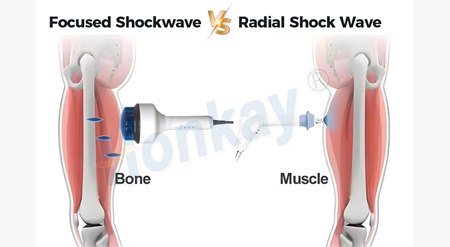
Start from your booking sheet, not from the brochure. The two families of machine behave differently, and the difference decides which clients you can treat on a full schedule.
Reverse-engineer the decision from your indication list. If most of your appointments are frozen shoulder, tennis elbow, plantar fasciitis, tendon calcification, lumbar muscle strain or patellar tendinitis, a radial unit covers the majority of them. The unit is a radial / electromagnetic device that runs at 1–22 Hz with an energy range of 30–185 mJ — a span wide enough to move from gentle ED and forearm work up to higher-energy lumbar and hip protocols on the same handpiece.
Whatever you buy, shockwave treatment in this class works through five recognised mechanisms: pain modulation, anti-inflammatory and swelling reduction, improved microcirculation, tendon and fascia repair support, and release of adhesions. A supplier who can explain all five — instead of promising a single magic result — is the one worth talking to.
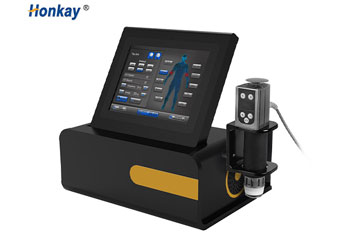
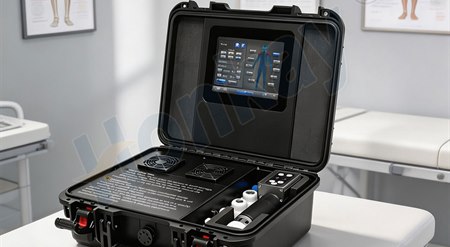
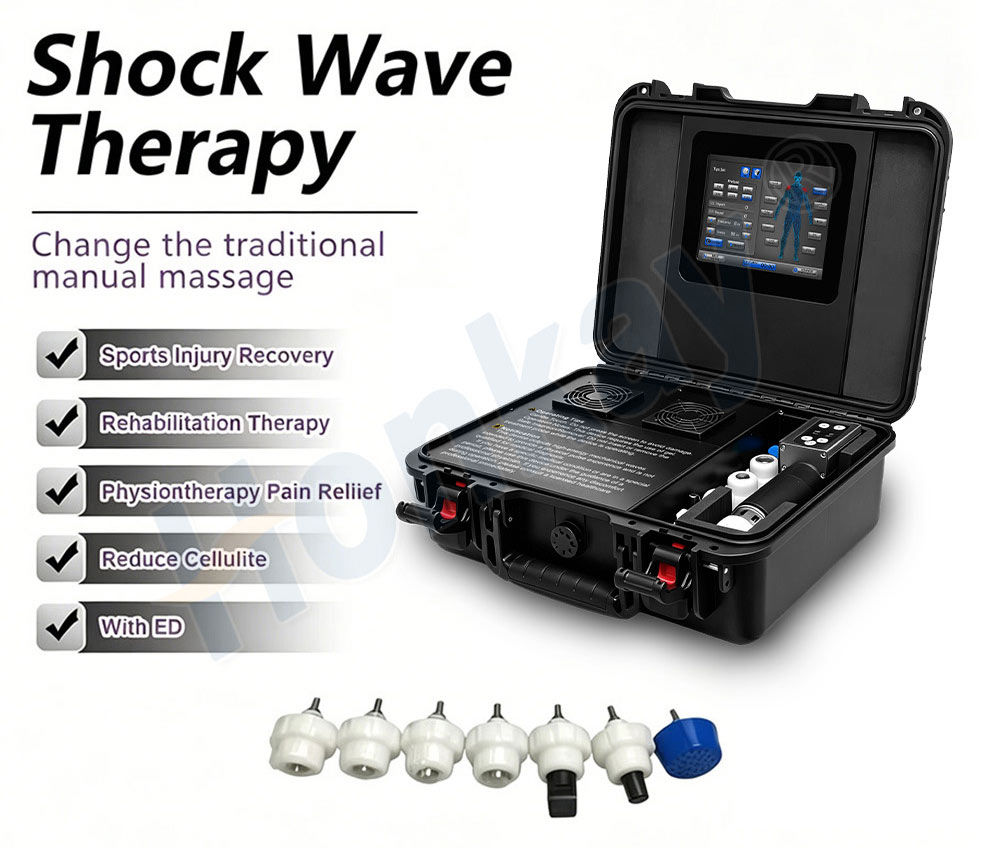
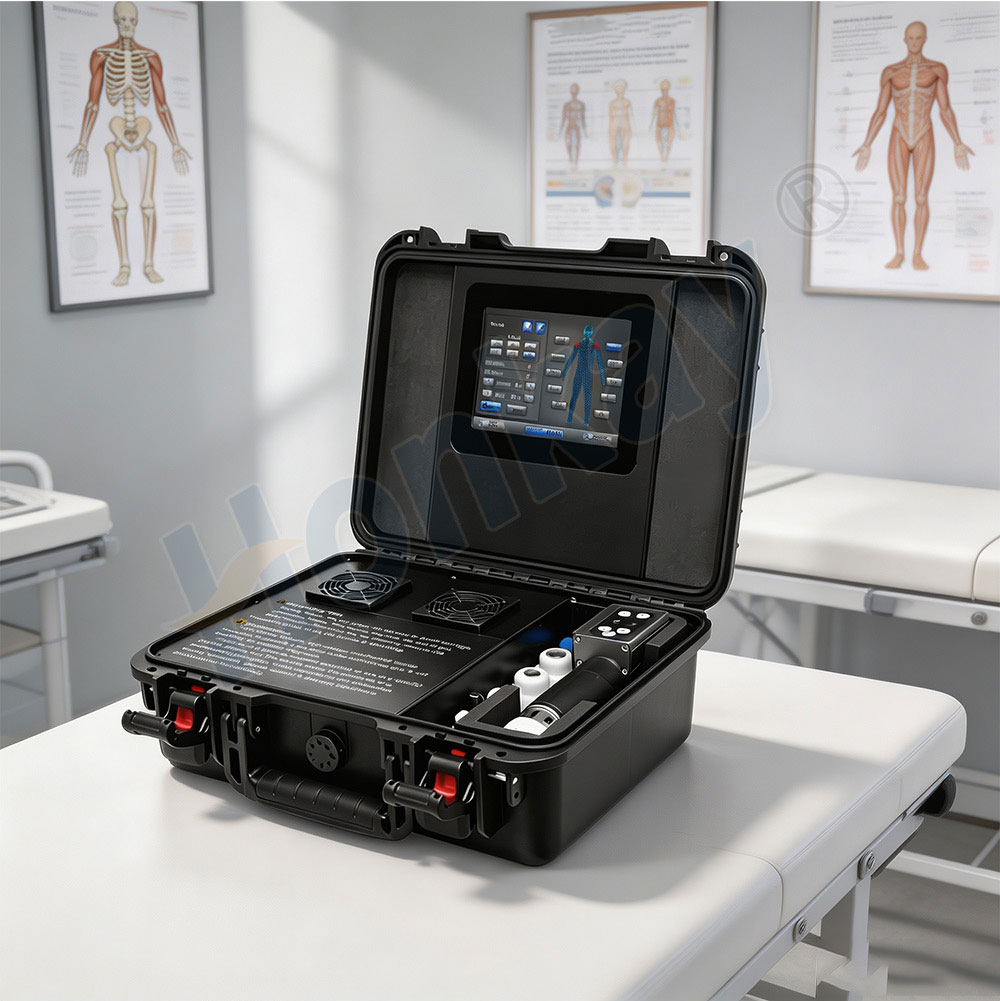
For most mixed soft-tissue practices, yes — as long as the unit is programmed, not just switched on. The unit ships with an 8-inch touchscreen that lets the operator select a body area, fit the matching work head and set the energy and frequency for that area. That is exactly how a single machine spans several service lines rather than one.
The recognised indications for this class of device include frozen shoulder, tennis elbow, plantar fasciitis, tendon calcification, lumbar muscle strain and patellar tendinitis. The same platform also covers body regions from the shoulder and lumbar spine through to the hip and fat accumulation, plus dedicated ED programmes.
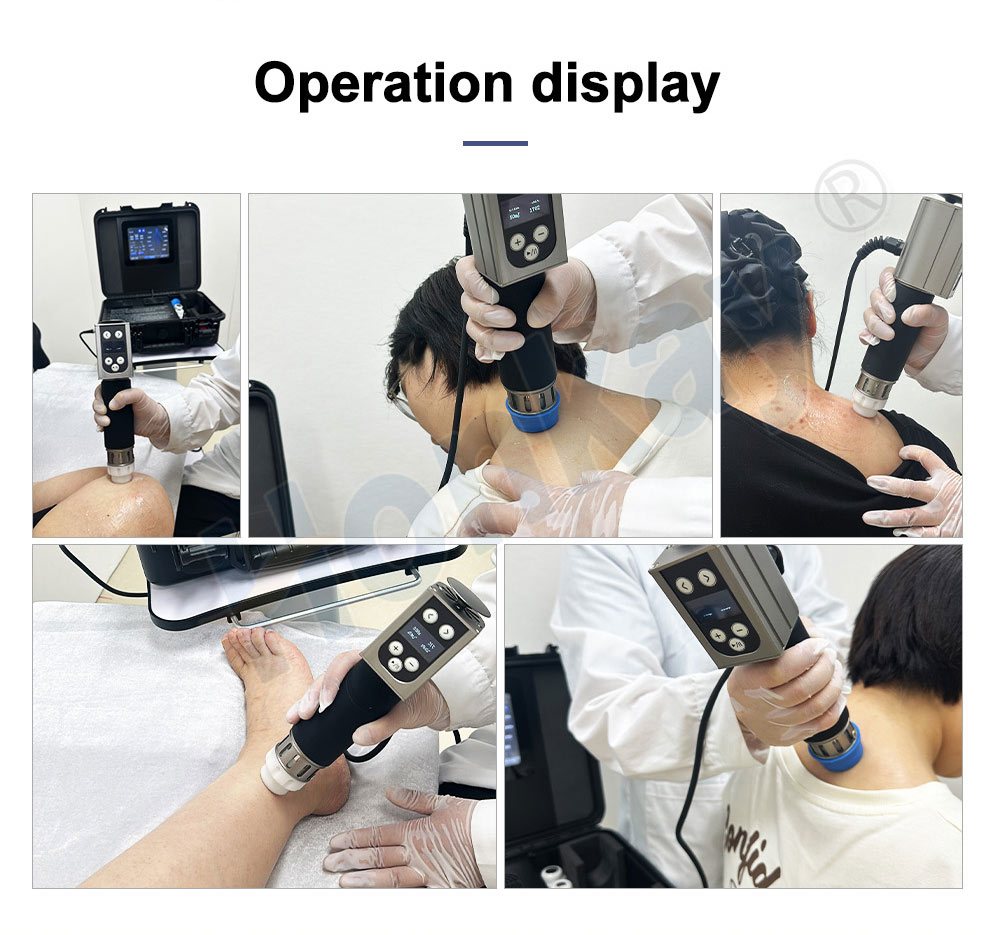
The real limit is not the machine — it is your protocols and your staff's discipline. Two clinics with the same unit will get very different outcomes if one follows the manual's area-by-area settings and the other free-styles the dials. If you want one machine to carry a broad menu, buy from a supplier who also hands you written protocols.
Hold every quotation against the same list. These are the numbers that decide what the equipment can actually do, taken from the operating manual:
| Specification | Portable radial unit |
|---|---|
| Therapy type | Radial / electromagnetic |
| Input voltage | 220 V / 50 Hz; 110 V / 60 Hz |
| Total power | 200 VA |
| Shock frequency | 1–22 Hz |
| Energy intensity | 30–185 mJ |
| Treatment heads | 7 interchangeable heads |
| Head sizes on the specification sheet | 9 mm, 15 mm, 20 mm, 35 mm, 35 mm (heads 6 and 7 are for ED) |
| Display | 8-inch touchscreen with body-part selection |
| Cooling | Dual fans |
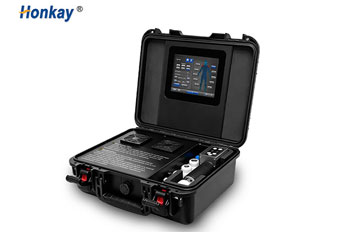
| Packaging | 53 x 42 x 25 cm air-cargo case |
Pricing is local. What you can charge depends on your market, your brand and whether you bundle shockwave into a physiotherapy package. What is not local is the payback arithmetic — and that you can model before you buy.
Two figures drive it. First, the machine is a one-off capital cost. Second, your recurring cost per session is almost entirely consumable wear, because each session uses no single-use parts beyond the coupling agent and the internal bullet over its rated life. That bullet is rated at roughly 1,000,000 impacts, so one low-value part is spread across hundreds of treatment sessions rather than billed per patient.
The other half of the equation is the course length your patients will accept. The operating manual recommends the following energy, frequency, shock count and course structure:
| Area | Energy / Frequency | Shocks | Sessions | Interval |
|---|---|---|---|---|
| Elbow | 3 Hz / 50 mJ | 2500 | 5–10 | 5–7 days |
| Wrist | 1 Hz / 50 mJ | 2500 | 5–10 | 5–7 days |
| Synchondroses pubis | 4 Hz / 80 mJ | 2500 | 5–10 | 5–7 days |
| Knee | 3 Hz / 50 mJ | 2500 | 5–10 | 5–7 days |
| Ankle | 3 Hz / 50 mJ | 2500 | 5–10 | 5–7 days |
| Shoulder | 8 Hz / 100 mJ | 2500 | 5–10 | 5–7 days |
| Lumbar spine region | 9 Hz / 130 mJ | 2500 | 5–10 | 5–7 days |
| Hip | 11 Hz / 150 mJ | 2500 | 5–10 | 5–7 days |
| Fat accumulation | 11 Hz / 150 mJ | 2500 | 5–10 | 5–7 days |
| Erectile dysfunction | 3 Hz / 5 mJ | 1500 | 2–3 | Twice a week |
Read the two right-hand columns carefully: a course is 5–10 sessions at 5–7 day intervals for most areas, and 2–3 sessions twice a week for the ED programme. Multiply your own course fee by the number of courses you can realistically deliver each week and you have your payback window — no mystery, just your clinic's numbers plugged into the table above.
The head is where the energy actually meets the body, so it decides whether a session feels precise or vague. The unit is supplied with 7 interchangeable heads. The size set spans 9 mm, 15 mm, 20 mm and 35 mm, with the 35 mm size supplied twice, and heads 6 and 7 are dedicated to ED therapy.
Match the head to the tissue rather than to habit:
| Treatment head | Best matched areas |
|---|---|
| Small round focused head | Calcaneus, plantar fascia, elbow, wrist and deep psoas |
| Standard head | Shoulder and neck, lumbar region, general limb work |
| Large round diffuse head | Whole back, outer thigh, gluteus maximus |
| Flat head | Trapezius, latissimus dorsi and the flat lumbar muscle groups |
| U-shaped head | Both sides of the spine, scapula and erector spinae — the hollow design avoids compressing the vertebrae |
| Conical head | Small joint spaces of the hand and foot, tendon insertion points and small nodules |
| Curved soothing head | Axilla, waist and abdomen, and the flexor side of the limbs |
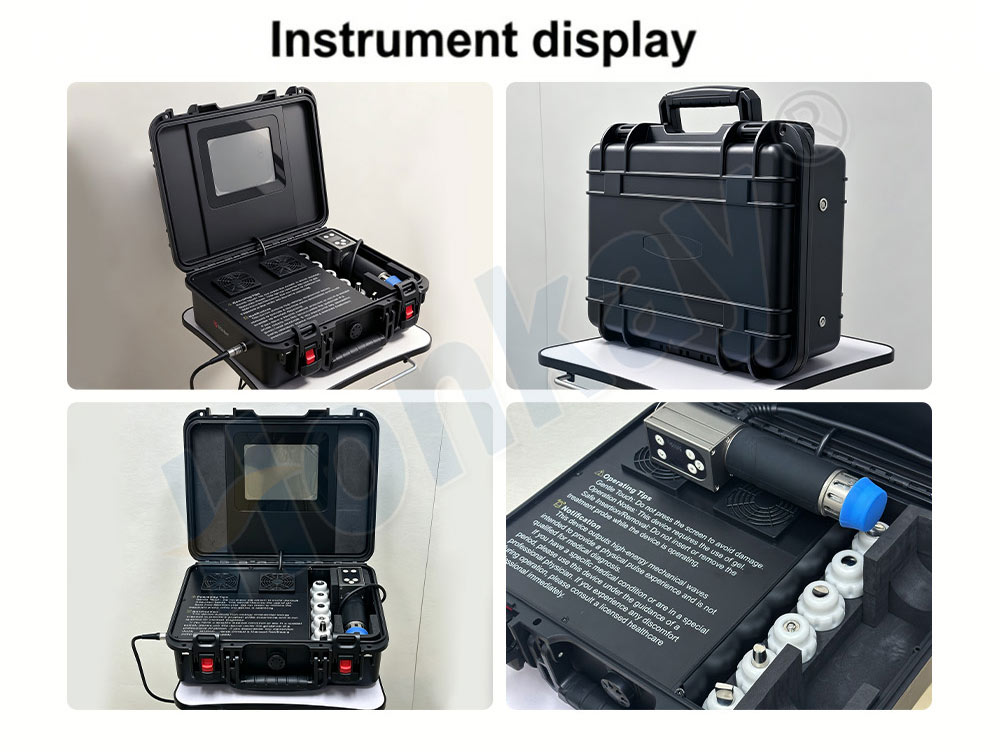
Many buyers spend their entire budget comparing main units and treat the heads as an afterthought. Because the head controls energy density and how well you can reach the target, it is the part that most changes what your clinic can bill for — and the part most likely to be swapped several times a day.
Shockwave wear parts are counted in impacts, not in months. Two internal items set your maintenance rhythm, and two built-in limits protect the handpiece:
| Item | Rated life or limit | What it means for you |
|---|---|---|
| Bullet | About 1,000,000 impacts | The main wearing part you will reorder |
| Air tube | About 5,000,000 impacts | Replaced far less often than the bullet |
| Impact-count limit | Stop for 5 minutes every 20,000 impacts | Built-in rest cycle that protects the handpiece |
| Temperature limit | Stop for 30 minutes at 80 degrees Celsius | Thermal protection; dual fans keep running temperature in range |
Duty limits matter as much as part life, because equipment that runs too hot wears faster and treats less predictably. The unit enforces both protections automatically, and its dual-fan cooling system keeps it inside that envelope on busy days.
On cost, do not accept a vague answer. Ask your supplier for the current consumable price list in writing before you order, because the bullet and the air tube are the only items you will buy repeatedly.
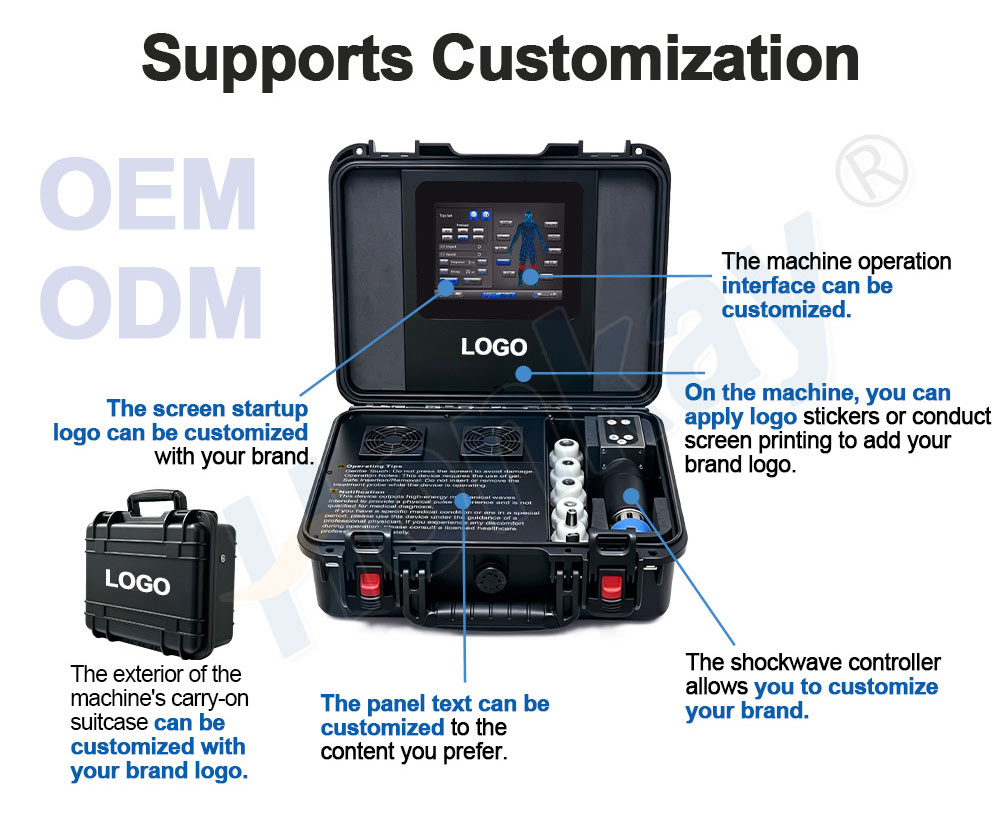
Private label in this category is mature, and it is usually the difference between reselling a generic unit and building an asset. On this unit the customisation points are the startup logo on the screen, the operation interface, stickers or screen printing on the machine, the panel text, the shockwave controller and the exterior of the carry case. In practice that means you can sell the unit under your own clinic or distribution brand without a different chassis.
MOQ and lead time are not shelf prices — they are confirmed per order at quotation, based on how much customisation you want and when you need the units in hand. Ask for both in writing, together with the production schedule, before you commit to a launch date.
Behind the branding, look at the factory itself. How many years has it been building these units, does it run its own production lines rather than outsourcing them, and what quality checks happen between assembly and dispatch? A private-label deal is only ever as good as the plant that fills it, so request production and inspection photographs before the goods ship.
Clearing an import is a paperwork exercise more than a machine problem, and the paperwork you need depends on your destination rather than on the supplier's sales page. Before you order, agree the full document pack you will present for import, and confirm the required list for your country with your own freight agent — rules differ enough between markets that you should never rely on a generic promise.
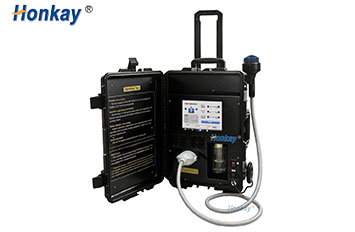
What works firmly in your favour is the packaging. The unit travels in an air-cargo-grade hard case measuring 53 x 42 x 25 cm, which is built to survive multi-leg freight far better than a soft carton. Ask for photographs of how the units are boxed for export and check that the case, the handpiece and every head are individually protected inside it.
On this unit the whole routine is one sequence on the 8-inch touchscreen:
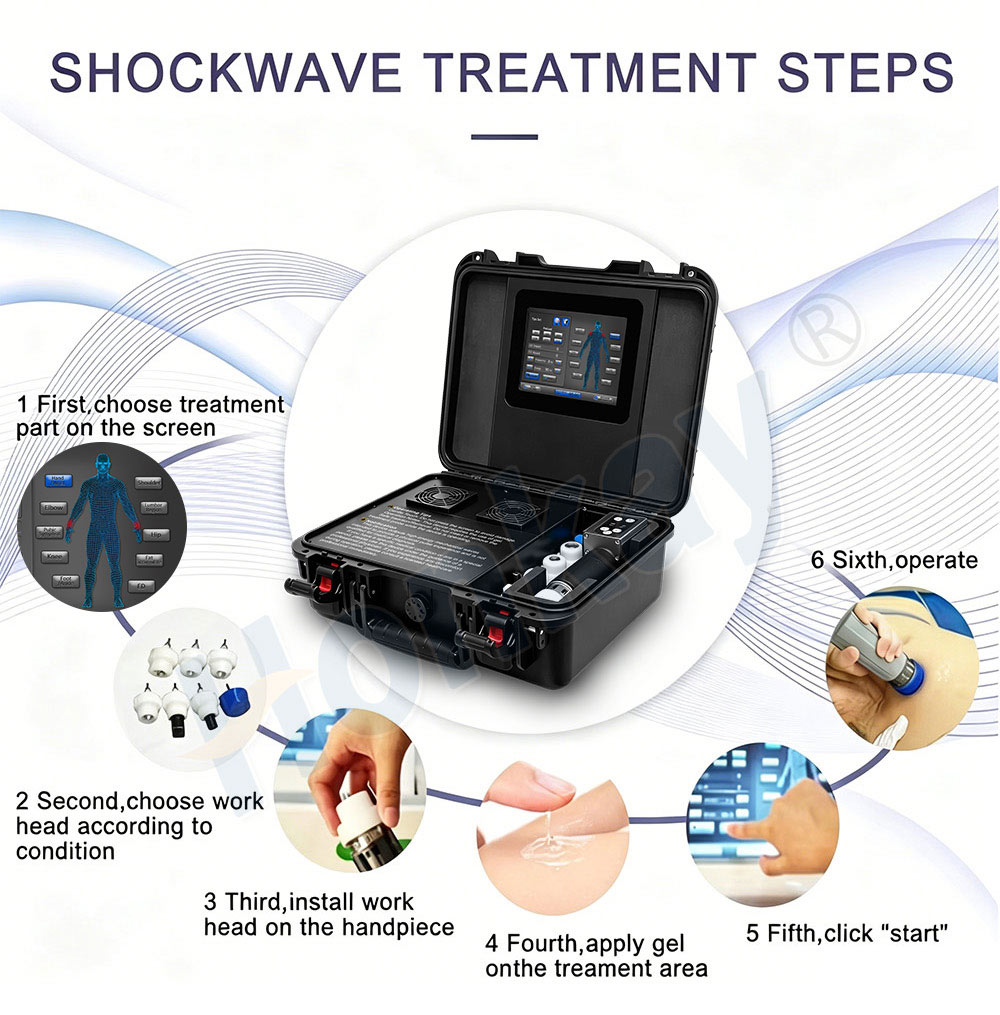
Because the settings live in the screen rather than in an operator's memory, protocols stay repeatable between staff and between shifts. That is also what makes the duty limits easy to respect: the controller tracks impact counts and enforces the 5-minute break every 20,000 impacts automatically.
Plan training before the crate lands, not after. Ask your supplier what onboarding is included, whether it is delivered remotely or on site, and whether it covers both machine operation and the area-by-area setting table. A supplier who provides the written operating procedure — one is printed inside the case lid — together with a live walkthrough has given your staff everything they need to run safe, consistent sessions.
Insist that training covers the safety rules as thoroughly as the settings. Most risk in shockwave work comes from skipped coupling gel, handling the handpiece while it is running, or an operator improvising the energy upward. Your team should leave training knowing the difference between a protocol and a guess.
The unit is covered by a 24-month warranty measured from the date of shipment ex-factory. Confirm in writing what that warranty covers, how a claim is raised, and who carries the cost of shipping a faulty unit or part, because those logistics vary between suppliers and destinations.
Beyond the warranty itself, ask three service questions before you buy: how quickly spare parts can be shipped, whether technical support is reachable during your working hours, and whether remote troubleshooting is available. A machine is only as reliable as the response standing behind it.
This section is not optional reading. Shockwave therapy has absolute contraindications, and a clinic that ignores them carries avoidable risk. Screen every patient against all three lists below before the first session.
It is a radial (electromagnetic) unit. That build suits the soft-tissue, trigger-point, tendinopathy, recovery and body-contouring cases that make up most of a general clinic's shockwave bookings. If your caseload is dominated by deep focal orthopaedic protocols, compare it against a focused machine before deciding.
Cost is quoted per order rather than published as a fixed shelf price, because it moves with your configuration, quantity and branding requirements. Ask for a written quotation that separates the machine, the head set and the consumables, so you can compare total cost of ownership rather than sticker price alone.
There are 7 interchangeable heads. The size set on the specification sheet lists 9 mm, 15 mm, 20 mm, 35 mm and 35 mm, and heads 6 and 7 are dedicated to ED therapy.
Yes. The unit includes dedicated ED heads plus an ED programme of 3 Hz / 5 mJ, 1500 shocks across 2–3 sessions, twice a week. Treat it as a clinical programme delivered by trained staff, not a self-service routine.
It is built as professional equipment for clinics, rehabilitation centres and sports recovery practices. Its air-cargo case makes it genuinely portable for mobile practitioners and home-visit services run by a qualified therapist, but the protocol table, the contraindication screening and the duty limits all assume trained operation.
The bullet is rated at about 1,000,000 impacts and the air tube at about 5,000,000 impacts, so the bullet is the item you will reorder most often. Built-in protections also stop the unit for 5 minutes every 20,000 impacts and for 30 minutes if it reaches 80 degrees Celsius.
The unit carries a 24-month warranty measured from the date of shipment ex-factory. Ask for the claim procedure and the spare-parts shipping terms in writing when you request your quotation.
If you are comparing shockwave therapy equipment for a clinic, a rehabilitation centre or a sports recovery studio, send us your indication list and expected weekly volume and we will match a configuration to it.


 English
 中文
中文