A pet owner who buys a PEMF mat usually does it for a specific animal with a specific problem, and usually after a diagnosis. That is the opposite of the human household purchase, which is often speculative. It also means the purchase arrives with a piece of paper attached: a diagnosis, a treatment plan, a list of medication.
The mat does not replace that paper, and this page will not argue that it does. It is a wellness device, positioned for relaxation and a recovery routine rather than for diagnosis or treatment. What it can do is sit alongside a plan the veterinarian has already set, provided the person setting it up knows what to ask and what to write down.
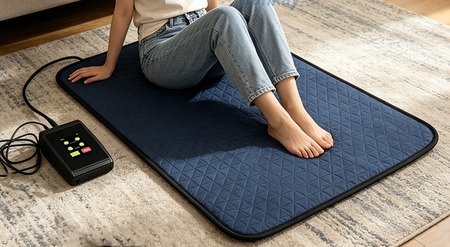
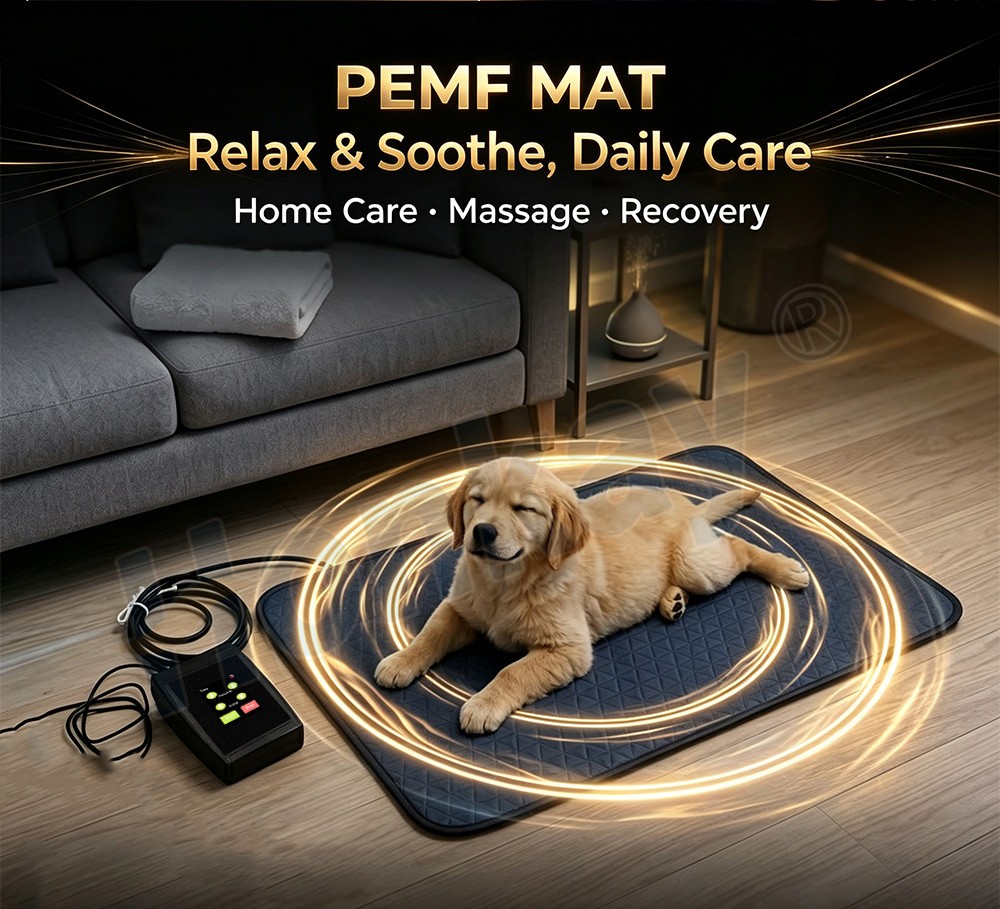
The most useful decision an owner can make before buying is what role the mat plays. It is not a treatment for a diagnosed condition, and no setting on the control box is a dose. It produces a pulsed magnetic field, with a frequency range of 1–100 Hz, an intensity range of 0–25 Gs and ten levels, used in sessions of a published duration.
In a household where an animal is under care, that translates into a narrow role: part of the rest and routine between appointments, on a schedule the clinic has agreed to. Anything beyond that is a clinical question, and clinical questions belong to the clinician who has examined the animal.
In practice, the answer to "can we use this at home" depends on six pieces of information. An owner who arrives with all six gets a usable answer in one conversation instead of three.
| Question | Why it changes the answer | What to bring |
|---|---|---|
| Species, age, weight | A mat for a cat is not a mat for a large dog; young and old animals are handled differently | Weight, date of birth, mat size being considered |
| Diagnosis and stage | A recovering fracture and a neurological case are different conversations | The written diagnosis, not a remembered one |
| Medication in use | Some drugs change how an animal responds to handling and rest | Names, doses and timing of everything given |
| Implants and devices | Electronic implants are an absolute contraindication for this class of device | Any implanted device and the date it was placed |
| Pregnancy | Pregnancy is listed as a reason to seek professional advice first | Confirmed or suspected, with expected dates |
| Skin and behaviour | Broken skin, or an animal that will not stay on a mat, changes what is realistic at home | Photographs of any lesion; an honest account of handling |
Owners routinely describe a diagnosis more confidently than the discharge note supports. "Arthritis" turns out to be "possible early osteoarthritis, recheck in three months". "Slipped disc" turns out to be "pain of unknown origin, radiographs scheduled". Those differences matter when a clinic is asked to approve a home routine, because the stage of a condition is usually what decides whether rest, movement or neither is appropriate. Bring the document, or ask for a one-line summary in writing.
An animal on long-term medication is not automatically a poor candidate, nor automatically a good one. The clinic knows things about the drug that the owner does not: how it affects recovery, appetite and tolerance of handling, and how the animal's response should be read while it is being given. What an owner should not do is adjust a dose to fit a session, or time a dose around a mat on an assumption about how the two interact. List everything the animal takes and follow the clinic's timing.
Three items on the list are not judgement calls. A pacemaker, an implanted neurostimulator or any other electronic implant rules this class of device out; that is stated in the manual and it does not soften with a lower setting. Pregnancy is listed as a reason to consult a professional first. Serious medical conditions and young animals fall into the same category: professional advice before use, not after.
The same section of the manual rules out using the device at the same time as EMS or TENS equipment, high-frequency devices, shortwave or microwave diathermy, or other electromagnetic equipment. In a multi-pet household that includes any other electromagnetic device in the room, not only the ones bought for the animal.
"We used the mat for a while and he seemed fine" is not information a clinic can act on. A short factual description is: date, duration in minutes, frequency in hertz, intensity level on the box, the area the animal was lying on, and what the animal did during and after. The manual gives a starting frame for first sessions — five to fifteen minutes at the lowest intensity, extended only after the shorter session is tolerated. That is a device instruction, not a treatment protocol, and the clinic can adjust it. What the clinic cannot adjust is what it never hears about.
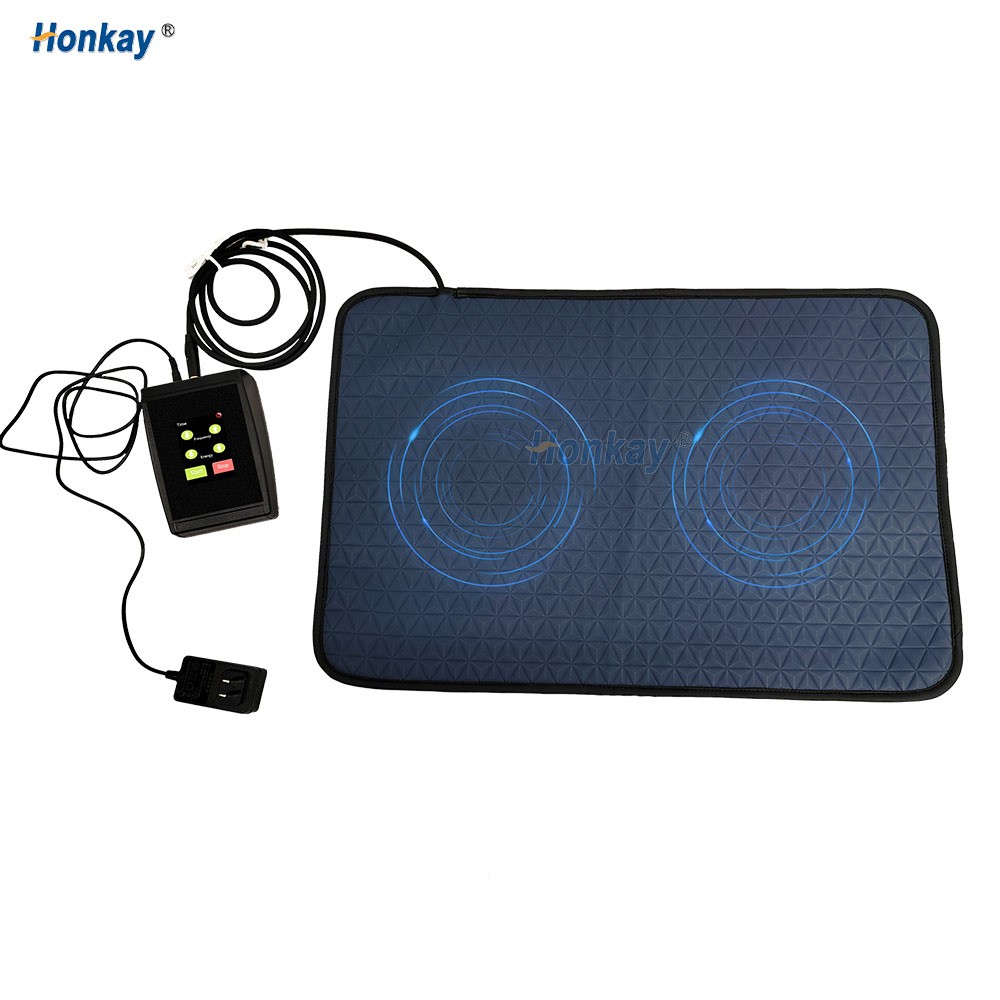
| Field | Example entry | Why the clinic wants it |
|---|---|---|
| Date and duration | 12 Nov, 10 minutes | Shows whether the routine is stable or drifting |
| Frequency and level | 10 Hz, level 2 | Separates the device setting from the animal's response |
| Area used | Lower back, left side | Links the session to the diagnosis |
| Behaviour during | Lay down after two minutes, stayed | The only tolerance signal an owner can see |
| Behaviour after | Slept normally, no change in appetite | Catches delayed reactions |
| Anything new | Reluctant to climb stairs on day three | The entry that changes the plan |
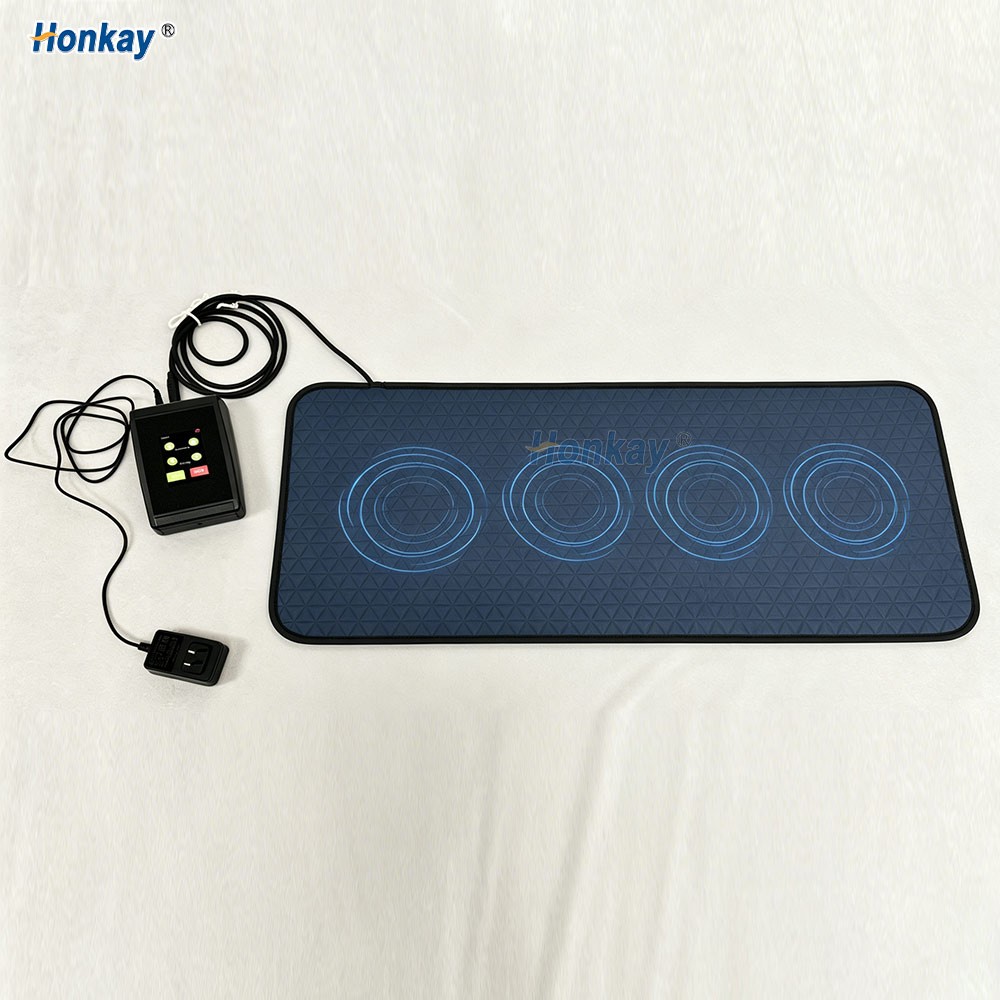
There are moments when the correct response to a mat in the house is to leave it in its bag. The week after surgery is the obvious one: whether an animal should be resting, mobilising or neither is a clinical decision, and a home device used during that window adds a variable the clinic did not plan for. An unresolved diagnosis is another. So is an animal whose behaviour makes a session a struggle, because a struggling animal is being handled, and handling is the part that carries risk. Waiting costs nothing; a session started against advice is much harder to undo.
Where several animals share a house, three practical points follow from the device rather than from any clinical claim. The mat should have one place, so the animals are not moved around it. The surface should be cleaned between animals, and since the manual does not name a cleaning agent, which product is safe for the mat belongs in a question to the supplier rather than an assumption. And an animal that is unwell should not share a mat with a healthy one while the clinic is still deciding what is wrong.
For an animal already under care for a diagnosed condition, yes. The device is a wellness product, and the clinical decision about a home routine belongs to the clinician who examined the animal.
The written diagnosis, the medication list with doses and timing, the animal's weight and age, any implanted device, and the mat size being considered. Photographs of any skin lesion are worth having too.
That is a question for the clinic rather than for this page. The manual rules out pacemakers, implanted neurostimulators and other electronic implants, and the veterinarian is the right person to say where an identification chip sits against that list.
Only if the clinic says so. Post-operative timing is a clinical decision, and starting a home routine in that window adds a variable the surgical team did not plan for.
The manual's guidance for first sessions is five to fifteen minutes at the lowest intensity, extended only after the shorter session is tolerated. A clinic may set a different duration, and its instruction takes precedence.
The manual does not specify one. Ask the supplier which agents suit the mat's surface instead of testing a household product on it, and clean with the unit unplugged.
Not at the same time as EMS or TENS devices, high-frequency equipment, shortwave or microwave diathermy, or other electromagnetic devices. That restriction comes from the manual and applies in a clinic or a home alike.
Honkay has manufactured physiotherapy and wellness equipment since 2005, and the mat range described here is supplied to clinics, studios and distributors across Europe, the Americas, Asia and Oceania. Mats carry a 24-month warranty from the factory shipment date, and the team can walk a clinic through the settings a home user will actually see on the control box.
This device is intended for adjunctive use alongside professional care, not as a replacement for diagnosis or treatment. Suitability should be confirmed with a qualified clinician; individual experience varies.


 English
 中文