Clinics rarely argue about whether a physiotherapy device is worth having. They argue about when the money leaves the account. A device that is paid for once and used for eight years and a device that is paid for monthly for three years can carry the same sticker price and behave completely differently in a cash-flow plan.
This page is about that second question. It sets out what buying, leasing and renting actually commit you to, which clauses decide the real cost, and what happens at the end of each arrangement.
A quotation tells you what the hardware costs. It does not tell you who pays for a controller that fails in month fourteen, whether the device can be moved to a second room, or what you are allowed to do with it at the end of a lease. Those three questions usually decide whether an arrangement was sensible, long after the price has been forgotten.
Before comparing offers, write down four things: how many sessions a week the device must support, who will operate it, how long you intend to keep it, and what you would do if the clinic moved. Every model below is better or worse against those four answers.
The market offers more variants than this, but almost every offer is a version of three structures. What changes between them is not the equipment. It is who carries the risk of the equipment being wrong, unused or broken.
| Model | Cash profile | Who carries the risk |
|---|---|---|
| Buy outright | One large outflow, then nothing | You — including resale value |
| Lease or finance | Fixed monthly outflow for a set term | Shared — you carry usage, the lessor carries ownership |
| Rent by the period | Small outflow, cancellable | The owner — you pay for access, not for the asset |
A clinic with steady demand and a permanent room is usually better served by ownership. A clinic testing a service line, or one whose lease on the premises is shorter than the life of the device, is usually better served by access. The mistake is choosing the model that looks cheapest per month without checking which of those two clinics you actually are.
Ownership is the simplest structure and the one with the most hidden lines. Beyond the device, you are taking on freight, import duties, the spare parts shelf, the repair decision when something fails outside warranty, and the fact that the asset depreciates whether or not the room is busy.
None of that is an argument against buying. It is an argument for pricing it honestly. A device that costs a little more but arrives with a service path and a documented spare-parts list is often cheaper over five years than a device that costs less and has no answer when a cable fails.
A lease is a rental of capital. The monthly figure is the most visible number and the least informative one. Five clauses decide what the arrangement really costs.
Ownership at the end. Some leases transfer the asset, some return it, some offer a purchase option at a stated value. Ask which one yours is before signing, not after the last payment.
Maintenance responsibility. If the lessor owns the device, who arranges the repair, and does the monthly payment pause while it is away? A clinic paying for a device it cannot use is the worst version of this structure.
Early termination. Clinics close rooms, merge and move. A term that cannot be exited without paying the remainder is a commitment to the premises as much as to the device.
Insurance and damage. Who insures the asset, and what happens if a client damages it? This is usually answered in a schedule nobody reads.
Upgrade path. If a newer model arrives mid-term, can the device be swapped, and at what cost? For device categories that change quickly, this clause matters more than the rate.
Renting makes sense in three situations: a service line you are testing for demand, a short season, and a gap between ordering a device and receiving it. In each case you are paying for the option to stop, and that option is worth something real.
The cost of that option is usually a higher monthly figure than a lease and no asset at the end. That is not a defect. It is the price of not being committed, and it is only a bad trade if you already know you will keep the device.
A supplier offering staged payment on a purchase is not offering a lease. You own the device from the start, you carry the risk from the start, and the schedule is a convenience rather than a structure. That can be excellent, but it should not be compared line by line against a lease, because the two are solving different problems.
The question that separates them: if the clinic closes in month eight, what are you still owed or still owing? Ask it of every offer and the structures stop looking similar.
The warranty usually travels with the device rather than with the payment structure, but who acts on it changes. Under ownership, you do. Under a lease, it depends on the maintenance clause. Under rental, the owner does, and your question becomes how fast they respond.
| Situation | Owned | Leased | Rented |
|---|---|---|---|
| Warranty claim | You file it | Check the clause | Owner files it |
| Spare cable | You stock it | Usually you | Owner supplies |
| Downtime cost | Yours | Yours unless stated | Partly the owner's |
| Resale value | Yours | Depends on transfer terms | Not applicable |
Every structure ends. Owned equipment is sold, kept as a spare or written off. A lease returns the asset, buys it out or rolls into a new term. A rental simply stops. Ask what the exit looks like before you choose the entrance, and ask it in writing.
Two answers are worth having on file: the residual or buy-out figure if there is one, and whether the device must be returned in a specified condition. The second is where rental deposits quietly disappear.
Bring five lines to the conversation rather than a quotation: total outflow over the intended holding period, monthly outflow, who pays for repairs, the exit cost, and the value of the asset at the end. Any offer that cannot be expressed in those five lines is not ready to be compared.
Not in total, and that is not the point of it. A lease spreads the same asset over time and keeps the cash available for other things. Whether that trade is worth it depends on how long you keep the device and what the cash would otherwise do.
Usually nothing, as long as the device stays with the business and the lessor is told. The problem arises when the term is tied to a premises lease that ends earlier than the equipment term.
It depends entirely on the maintenance clause, so read that clause before the rate. If the lessor owns the device, they normally arrange it; whether the payment pauses during the repair is a separate sentence, and it is the one that matters.
Often yes, and it is a sensible sequence when a service line is unproven. Ask whether any part of the rental is credited against a purchase, and get the answer in writing before the first payment.
On this range the 24-month warranty runs from the factory shipment date and follows the unit rather than the payer. What changes under a lease is who files the claim and who arranges the return.
That is the early-termination clause, and it is the single most important line in a lease. Some allow a settlement figure; some require the remainder. Ask for that figure as a number before signing, not as a formula.
No. With staged payment you own the device from the start and carry the risk from the start; the schedule is a convenience. A lease keeps ownership with the lessor until the terms say otherwise.
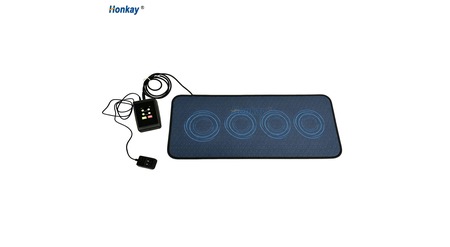
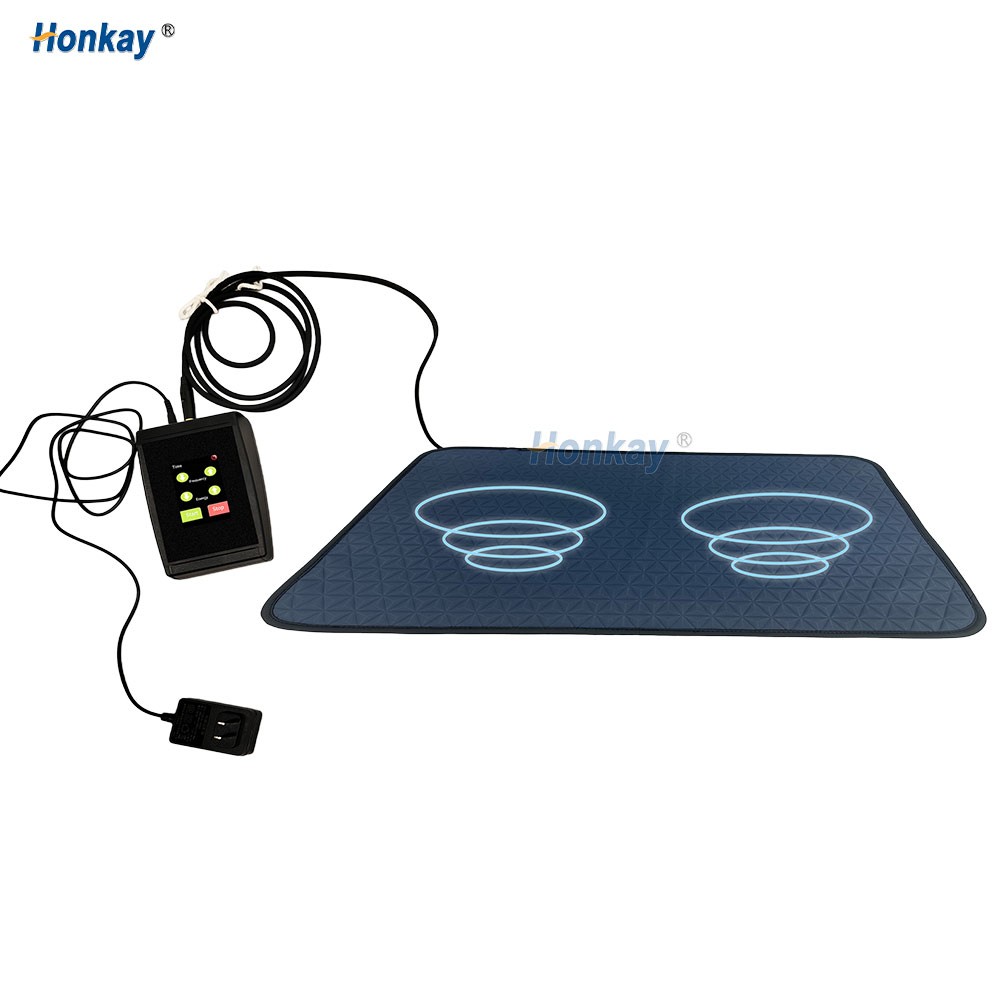
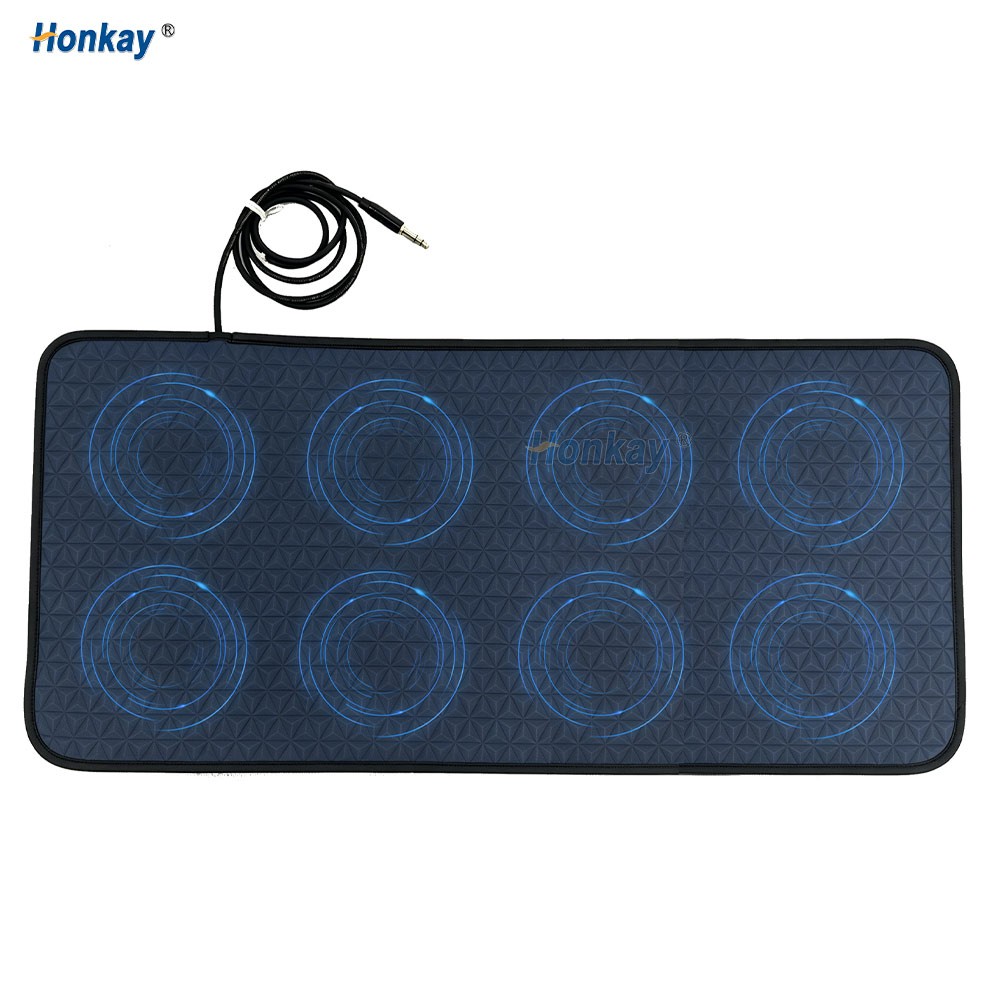
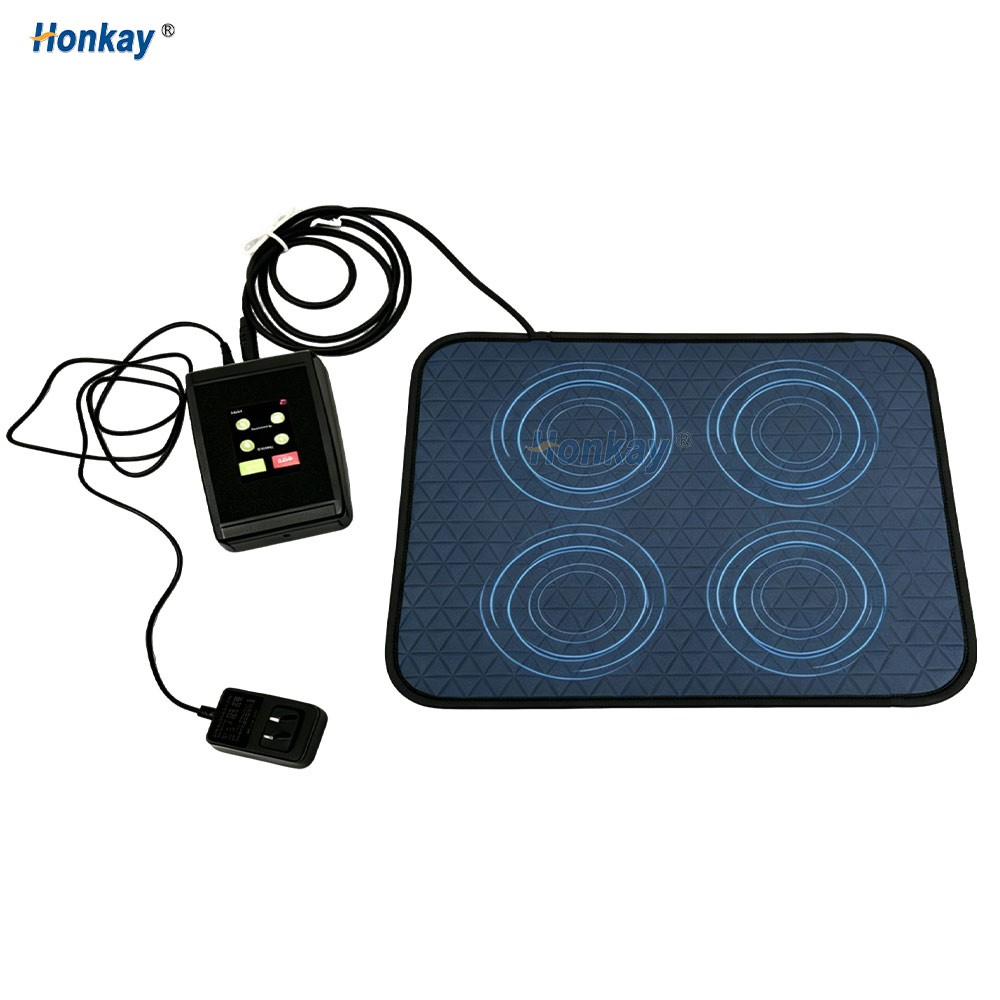
Honkay has been building physiotherapy and wellness equipment since 2005, including the mat range described here, and supplies clinics, studios and distributors across South America, South Asia, South-East Asia, Europe, Oceania and North America. The mats carry a 24-month warranty from the factory shipment date. If you are comparing purchase, staged payment and rental for the same room, send the weekly session volume and the intended holding period and the team will put the three structures side by side.
This device is intended for adjunctive use alongside professional care, not as a replacement for diagnosis or treatment. Suitability should be confirmed with a qualified clinician; individual experience varies.




 English
 中文